English
  日本語
日本語  한국어
한국어  français
  Deutsch
  Español
  italiano
  русский
  العربية
  Türkçe
  tiếng việt
Sep 01, 2025
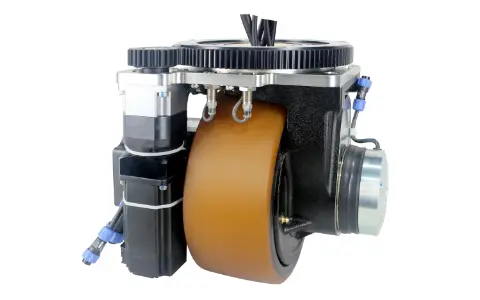
Automated Guided Vehicles (AGVs) are transforming modern logistics and manufacturing operations, and one of the most critical components in an AGV is the steering drive wheel. Selecting the right steering drive wheel ensures optimal performance, efficiency, and longevity of your autonomous systems. This article provides a professional guide to choosing the most suitable steering drive wheel for your application.
The first step in selecting an AGV steering drive wheel is understanding the environment in which the vehicle will operate. Surface conditions, floor material, temperature, and exposure to moisture or chemicals all influence the wheel selection. For example, an AGV operating on smooth indoor floors may require a different wheel material than one used in a semi-outdoor warehouse.
Floor type (concrete, epoxy, tile)
Presence of debris or oil
Temperature range
Indoor vs. outdoor use
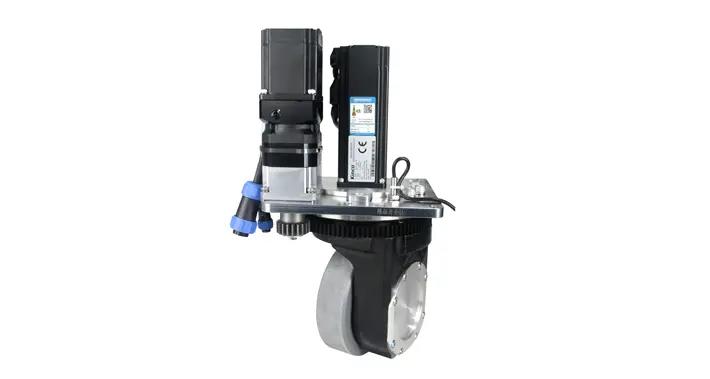
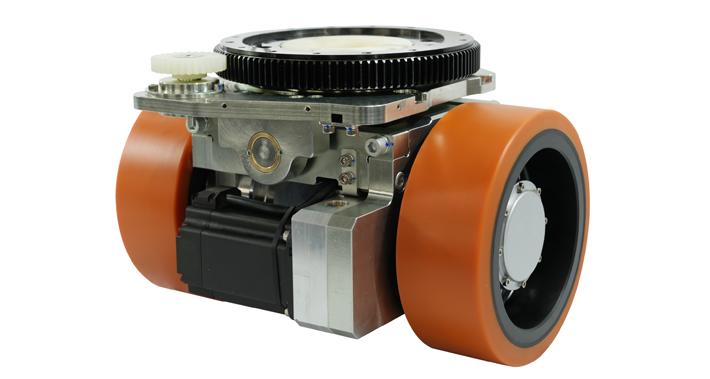
The AGV wheel must support the total load of the AGV, including its own weight and the payload. Choosing the correct diameter and width is essential for stability and traction. Larger wheels for AGV generally offer better shock absorption and floor clearance, while smaller wheels may be suitable for lower-profile designs.
| Wheel Diameter | Typical Load Capacity | Suitable For |
100 mm | Up to 300 kg | Light-duty, compact AGVs |
150 mm | 300–600 kg | General warehouse applications |
200 mm+ | 600 kg and above | AGV heavy-duty or outdoor AGVs |
For AGVs handling heavy payloads in industrial or outdoor environments, heavy duty robot wheels with diameters of 200 mm or more are specifically designed to support loads of 600 kg and above, ensuring reliable stability and performance
.
Material directly affects the AGV drive wheel’s traction, wear resistance, and noise levels. Common materials include polyurethane, rubber, and nylon. Polyurethane wheels are popular for their balance between durability and floor protection. Rubber offers quieter operation but may wear faster under heavy loads.
Polyurethane: Durable, low noise, floor-friendly
Rubber: High grip, softer ride, less wear-resistant
Nylon: Hard, durable, suitable for high loads
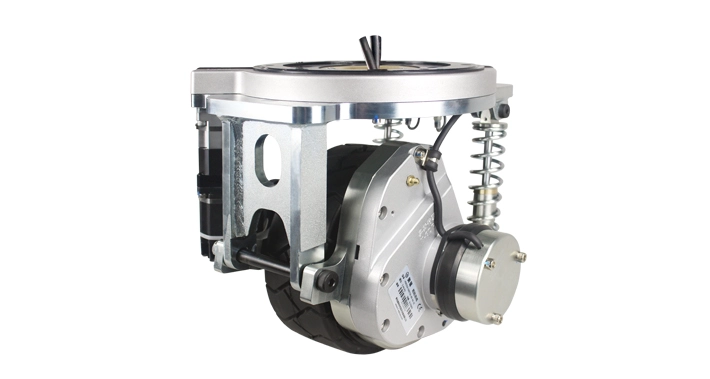
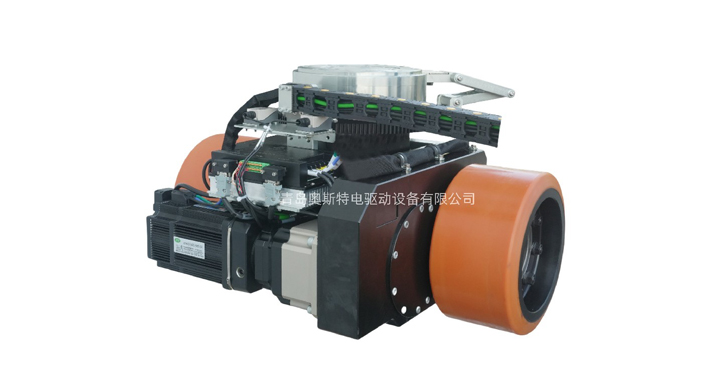
Not all AGV wheel types are compatible with every drive or steering mechanism. It's important to match the wheel with the drive system—such as differential drive, omni-directional, or mecanum. Wheel precision, hub design, and integration with motors should be carefully reviewed to ensure proper functionality and control accuracy.
Choosing the right AGV wheel involves balancing load requirements, environmental conditions, and drive system compatibility. A properly selected AGV wheel not only enhances performance but also extends the operational lifespan of the vehicle, reducing maintenance and downtime in the long run.
How does an AGV drive wheel work?
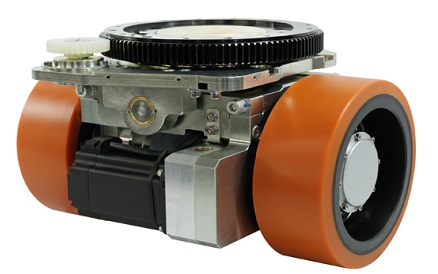
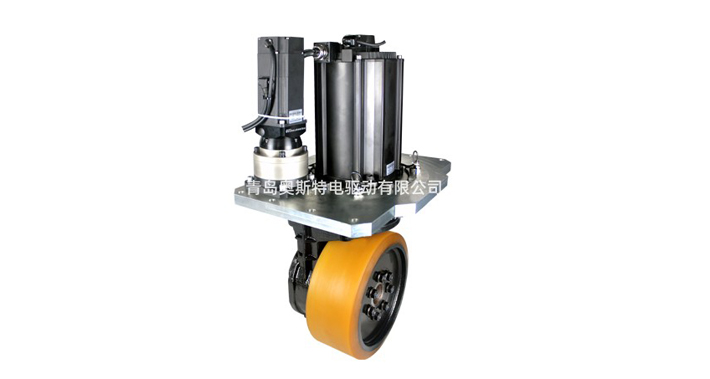
An AGV drive wheel works by integrating an AGV wheel motor, gearbox, brake, and wheel into a single compact drive unit. The motor generates torque, the gearbox adjusts speed and power, and the AGV wheels provide traction for movement and steering. Advanced AGV drive wheel systems support precise positioning, smooth acceleration, and stable navigation in automated warehouses and robotic applications. Know more detailed information at: Working principle of AGV drive wheels.
What is a horizontal steering wheel in an AGV system?
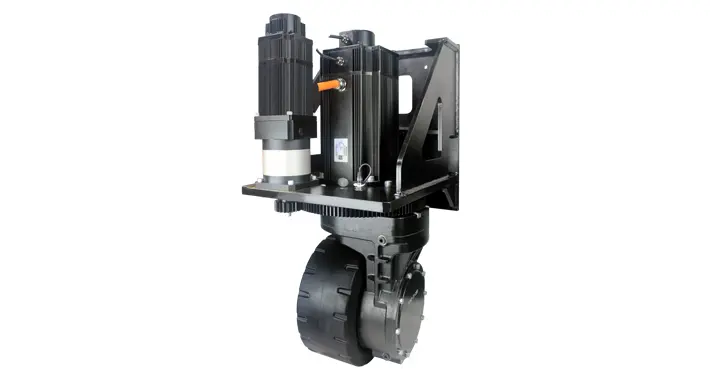
A horizontal steering wheel allows AGVs and mobile robots to achieve flexible multi-directional movement in narrow spaces. Unlike traditional steering systems, it combines steering and driving functions in one module, improving maneuverability and positioning accuracy. Horizontal steering wheel systems are widely used in intelligent warehousing, heavy-load AGVs, and automated production lines.
What are heavy duty robot wheels used for?
Heavy duty robot wheels are designed for autonomous mobile robots, AGVs, and industrial transport equipment carrying high payloads. These wheels provide strong load capacity, wear resistance, and stable traction on factory floors. Combined with high-performance AGV wheel motors, they improve mobility, reduce vibration, and ensure reliable operation in demanding logistics and manufacturing environments.