English
  日本語
日本語  한국어
한국어  français
  Deutsch
  Español
  italiano
  русский
  العربية
  Türkçe
  tiếng việt
Mar 22, 2026
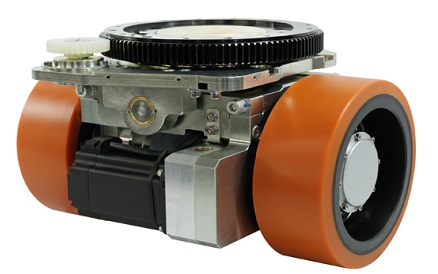
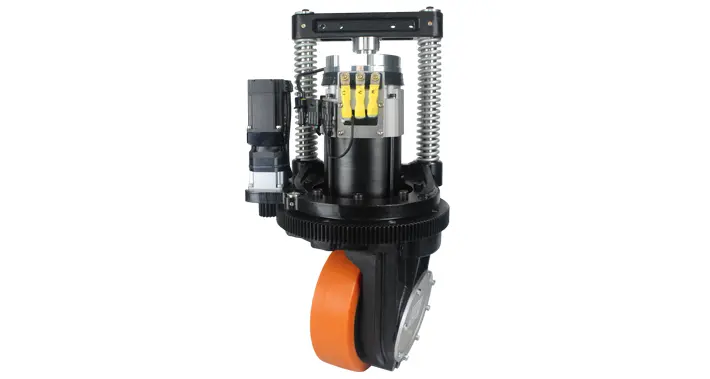
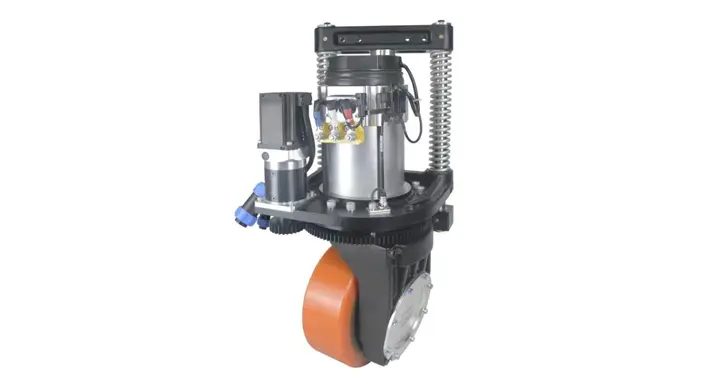
AGV drive wheels perform best when wheel material, tread design, and torque output are matched to the floor surface. Concrete floors require balanced traction and wear resistance, epoxy floors demand slip control and surface protection, and tiled floors introduce joint-related stability challenges. Most AGV performance issues traced to “navigation” or “control” problems are ultimately caused by floor–wheel interaction mismatches.
This article examines how wheels for AGV behave on the three most common industrial floor types and how to engineer reliable performance on each.
AGVs rely on predictable friction and consistent wheel contact for accurate navigation. Floor material influences:
Traction coefficient and slip behavior
Wheel wear rate
Encoder feedback accuracy
Noise and vibration levels
A drive wheel that performs well on one surface may fail prematurely on another.
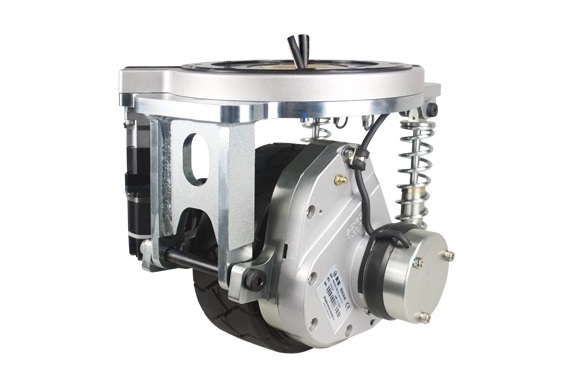
Yes. Polished or sealed concrete is the most common AGV floor type due to its strength and durability. However, surface finish varies significantly, directly affecting wheel behavior.
Moderate to high friction depending on finish
Stable load-bearing capacity
Potential dust generation if unsealed
PU drive wheels with medium hardness
Smooth or lightly textured tread
Balanced torque to avoid micro-slip
Excessive wheel wear on rough concrete
Slip on dusty or polished sections
Encoder drift caused by uneven traction
Concrete floors require wear-resistant materials and controlled traction, not aggressive tread.
Epoxy floors are smooth and chemically resistant, but their low surface roughness can reduce traction—especially when contaminated with oil or water.
Low rolling resistance
High risk of slip under sudden acceleration
Sensitive to tread hardness
PU or rubber with optimized friction coefficient
Slightly softer tread compounds
Reduced acceleration profiles
Wheel spin during start-stop cycles
Floor marking from improper materials
Inconsistent stopping accuracy
On epoxy floors, traction management is more important than torque capacity.
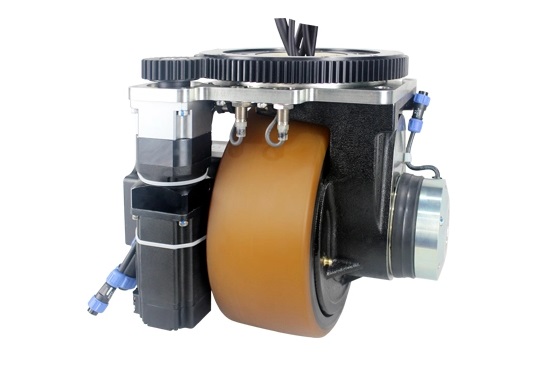
Yes, but tile joints introduce mechanical discontinuities that must be addressed in wheel design.
Variable traction across tiles and joints
Increased vibration and noise
Risk of wheel edge impact
PU wheels with higher elasticity
Larger wheel diameter to bridge joints
Shock-absorbing tread designs
Premature tread damage
Sensor and encoder disturbance from vibration
Increased maintenance frequency
Tiled floors demand impact-tolerant wheel designs, not maximum hardness.
Wheel slip and vibration directly affect encoder-based positioning.
Concrete floors provide the most consistent feedback when properly sealed
Epoxy floors require careful tuning to prevent slip-induced errors
Tiled floors challenge precision due to mechanical interruptions
Accurate navigation depends on stable wheel-floor contact, not only software calibration.
PU remains the most versatile material for mixed-floor environments. Rubber may be used selectively for traction-critical zones, while nylon should be limited to smooth, controlled surfaces with low slip risk.
Yes. Slopes increase torque demand and amplify traction differences between floor types.
Yes, but wheel material and tread must be selected for the worst-performing surface, not the best.
Rough concrete and tiled floors require more frequent inspection than epoxy-coated surfaces.
| Floor Type | Main Challenge | Recommended Wheel |
Concrete | Wear & dust | PU, medium hardness |
Epoxy | Slip control | PU or rubber, soft tread |
Tiles | Vibration & impact | PU, elastic compound |
In real installations, AGV downtime is rarely caused by motor failure. It is caused by unexpected wheel behavior on specific floor sections—a ramp, a repaired tile area, or a polished epoxy zone.
At hagvwheel.com, we evaluate floor material, surface finish, and transition zones before specifying wheel material, diameter, and tread compound. This approach reduces commissioning adjustments and extends wheel service life.
When AGV drive wheels are engineered for the actual floor—not the theoretical one—system stability, navigation accuracy, and maintenance efficiency all improve.
This is the first one.