English
  日本語
日本語  한국어
한국어  français
  Deutsch
  Español
  italiano
  русский
  العربية
  Türkçe
  tiếng việt
AGV performance depends on the correct balance between motor torque, wheel-to-floor traction, and tread design. Insufficient torque leads to stalled movement under load, poor traction causes slip and positioning errors, and improper tread accelerates wear on both wheels and floors. These three factors must be engineered together; optimizing only one often degrades overall system reliability.
The following analysis reflects real AGV operating conditions rather than theoretical calculations.
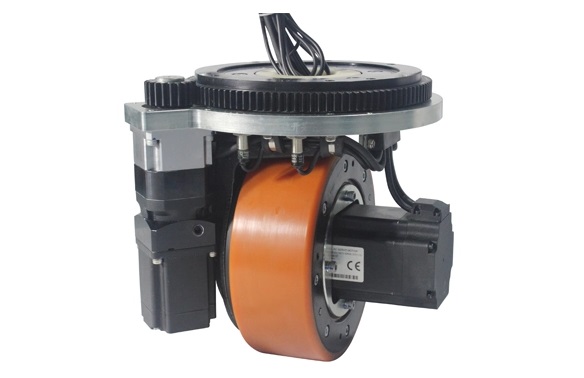
Why Are Torque, Traction, and Tread So Critical in AGV Drive Wheels?
AGV wheel drive converts electrical energy into controlled mechanical motion. The effectiveness of this conversion depends on:
Available motor torque at the wheel
Usable traction between wheel and floor
Tread geometry and material behavior under load
Any imbalance results in reduced efficiency, navigation drift, or excessive maintenance.
Torque in AGV Drive Wheels
How much torque does an AGV drive wheel need?
Required torque is determined by vehicle weight, payload, acceleration profile, slope angle, and wheel diameter. In practice, AGVs require enough torque to:
Start moving from a standstill under full load
Maintain speed on ramps
Execute precise low-speed maneuvers
Undersized torque forces motors to operate near their limits, increasing heat and reducing service life.
Engineering considerations
Gear reduction ratio and motor speed
Continuous vs. peak torque ratings
Safety margin for real-world friction losses
Proper torque design prioritizes continuous operational stability, not peak performance numbers.
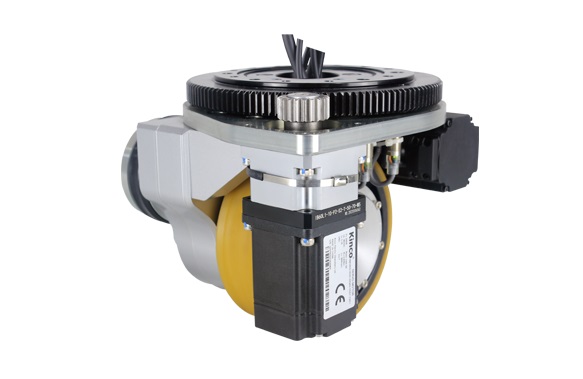
Traction: The Usable Portion of Torque
What causes AGV wheels to lose traction?
Traction loss of AGV wheels occurs when applied torque exceeds the friction limit between wheel and floor. Common causes include:
Smooth or contaminated floors
Incompatible wheel material
Excessive acceleration or braking
Once slip occurs, encoder feedback becomes unreliable, directly affecting navigation accuracy.
How is traction optimized?
Selecting appropriate wheel material (PU, rubber, composite)
Matching tread hardness to floor condition
Distributing load evenly across drive wheels
Traction defines how much of the available torque can actually be used.
Tread Design and Its Impact on Performance
Does tread pattern matter on AGV drive wheels?
Yes. Tread design influences contact area, noise level, vibration, and wear behavior.
Common tread approaches
Smooth tread: Low noise, high precision, best for clean indoor floors
Light textured tread: Improved grip without excessive floor wear
Aggressive tread: Rare in indoor AGVs, used only for special conditions
Overly aggressive tread increases rolling resistance and accelerates floor damage without improving navigation accuracy.
How Torque, Traction, and Tread Work Together
High torque without sufficient traction results in wheel slip. High traction with inadequate torque leads to sluggish motion. An optimal tread supports consistent traction while maintaining predictable wear.
In AGV systems, the weakest of the three factors sets the performance limit.
What Happens When These Factors Are Poorly Matched?
Common field issues
Wheel spin during acceleration
Inconsistent stopping positions
Excessive wheel and floor wear
Increased energy consumption
Most of these issues are mistakenly attributed to software or navigation sensors, when the root cause lies in wheel engineering.
How Floor Conditions Influence Engineering Choices
Polished concrete: Requires balanced torque and PU tread to prevent slip
Epoxy floors: Favor smooth or lightly textured treads
Ramps and slopes: Demand higher torque and improved traction
Ignoring floor conditions often leads to over-engineering motors instead of correcting wheel design.
FAQ: Engineering Questions Frequently Asked by AGV Designers
Does higher torque always improve AGV performance?
No. Excessive torque without matching traction increases slip and wear without improving usable performance.
Can tread design compensate for low torque?
Only to a limited extent. Tread improves traction but cannot replace insufficient motor output.
How does wheel diameter affect torque?
Larger wheels require higher torque to achieve the same tractive force but reduce rolling resistance at speed.
Engineering Comparison at a Glance
| Factor | Too Low | Too High | Optimal |
Torque | Stalling | Slip & heat | Stable motion |
Traction | Slip | Excess wear | Controlled grip |
Tread aggressiveness | Poor grip | Floor damage | Predictable wear |
Expert Insight from an AGV Drive Wheel Manufacturer
In production environments, AGV reliability is rarely limited by control software—it is limited by mechanical interaction with the floor. Torque, traction, and tread must be engineered as a system, not selected independently.
At Honest Edrive, we analyze load profiles, duty cycles, and floor conditions before specifying motor torque, tread compound, and wheel geometry. This approach reduces commissioning time, minimizes field adjustments, and delivers stable long-term performance.
When AGV drive wheels are engineered correctly, navigation becomes predictable, maintenance becomes manageable, and system uptime improves measurably.